
Skip to content
Solutions

Digitalize customer service without fragmenting the operation.

Bring digital channels into a service operation that holds its shape as customer expectations and interaction volumes evolve.

Digital is an opportunity. But digitalization isn’t easy.

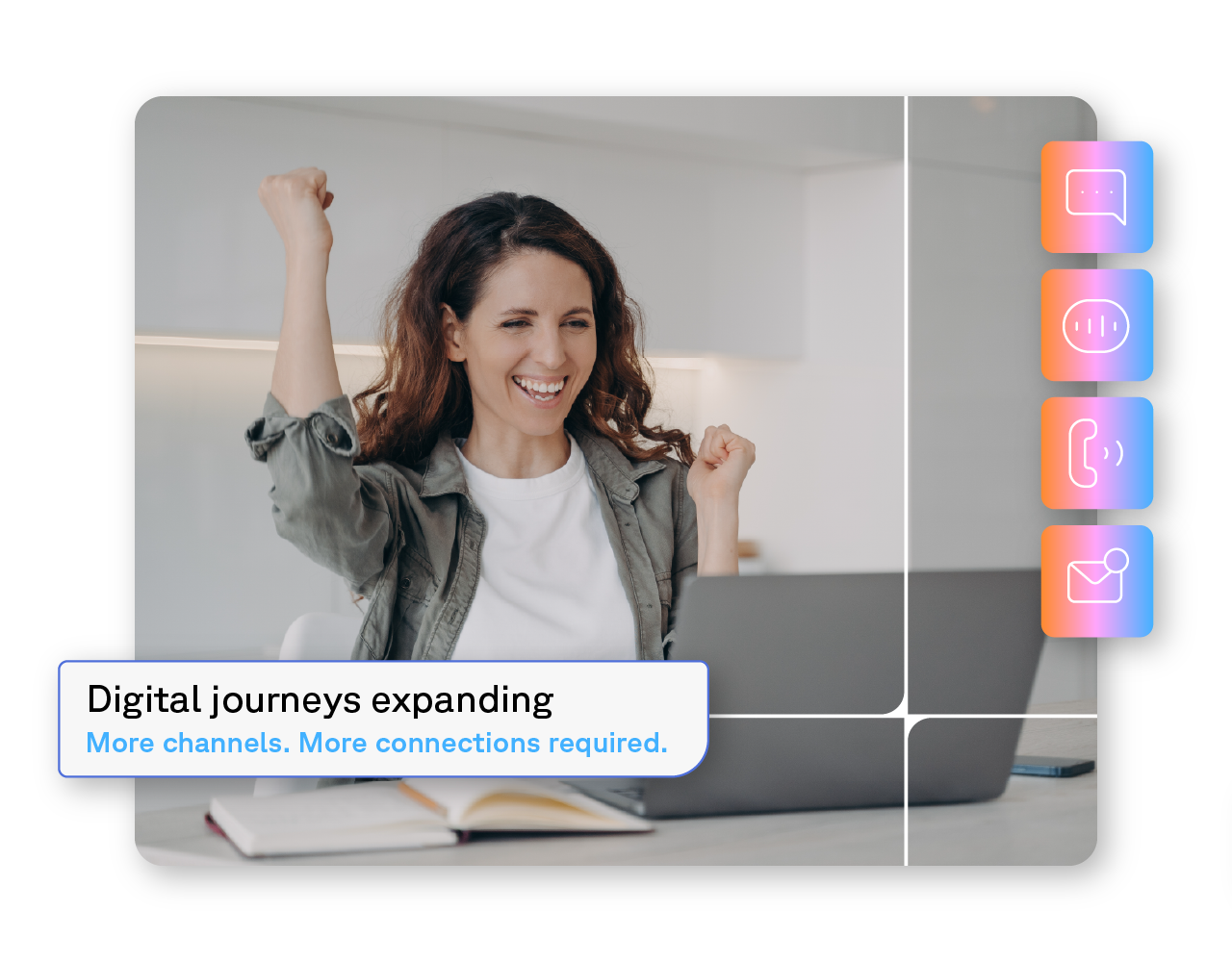
Digital channels let customers handle routine interactions on their own time, through tools they already use, with resolution paths that don't require waiting in a queue. The difficulty is structural. Every new channel has to align with one another and with the systems already running.

When infrastructure lags behind the channel rollout, digitalization can reveal more problems than it solves.

What effective end-to-end digitalization looks like.

Routing, context handoffs, reporting, and the back-end workflows customers never see are what determines whether the operation holds up. Here's where we focus.

#01

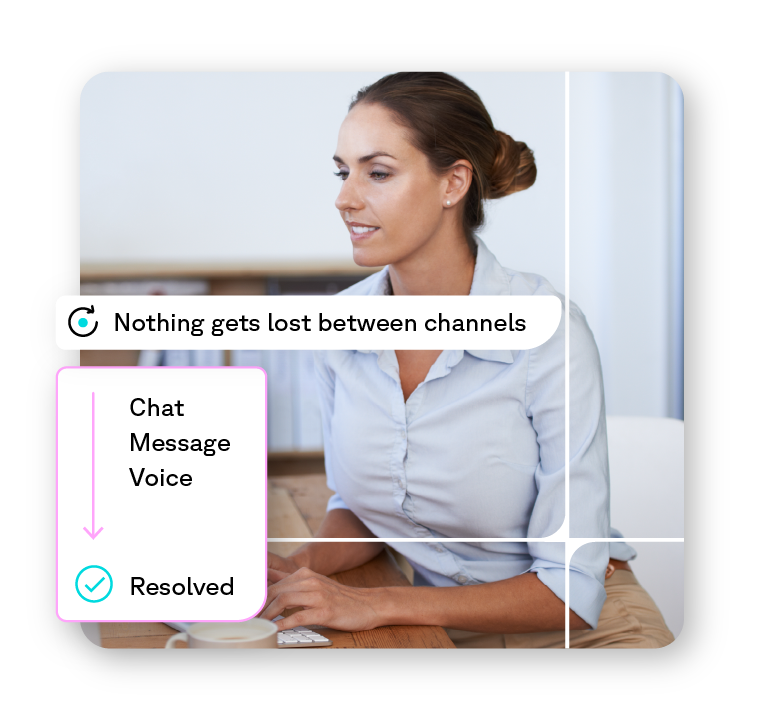
Keep conversations intact as customers switch channels

Customer conversations have to carry across every transition, including what's already been asked, what's already been answered, and what the customer was trying to resolve. We design the integration and orchestration layer so the context travels with the customer.

#02

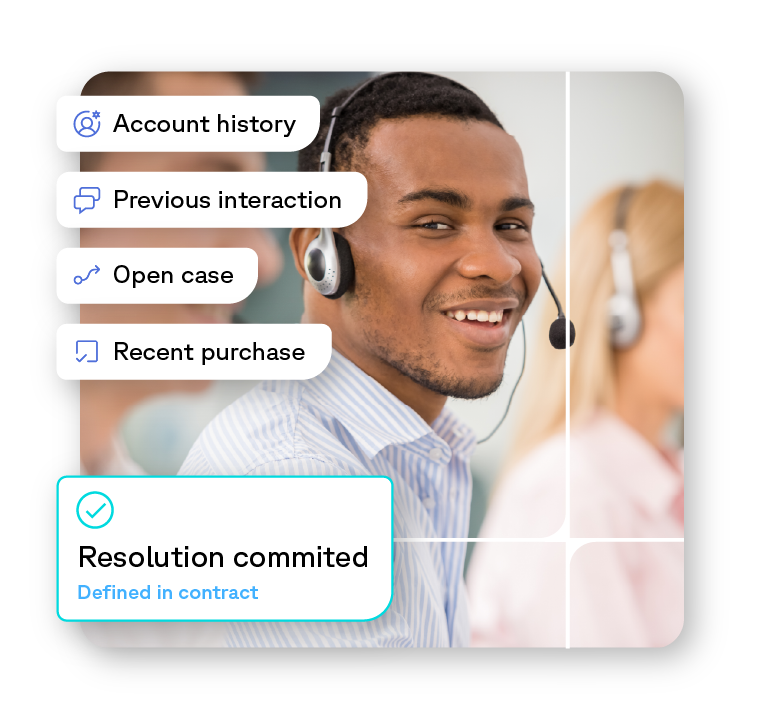
Give agents full customer context

When an agent picks up an interaction, the right CRM view, interaction history, and account context should already be there. We embed contact center events into Salesforce and other systems of record so the agent doesn't have to assemble the picture on every interaction.

#03

Run routing, workflows, and reporting from one operating model

Service tends to fragment when each channel develops its own routing rules, escalation paths, and reporting. We align those layers across digital and voice so workforce planning, performance management, and SLAs apply consistently across the operation.

Laying the foundation for scalable AI.

91% of customer service and support leaders are under pressure to implement AI. We help CX and IT leaders identify where AI produces measurable improvement, then integrate it into the service operation in a way that's governable and maintainable.

Self-service via AI works when the interaction is well-bounded and the data is reliable. We help identify the interaction types AI can resolve cleanly and the ones that should route to a human from the start.

Agent assist tools like real-time transcription, summarization, and next-best-action prompts only work when they're integrated into how the agent actually handles interactions. We bring AI into the agent desktop and the customer record.

Volume increases across digital channels rarely come with proportional staffing. We design routing, queue management, and capacity planning to absorb that pressure across channels, applying AI selectively to the interaction types it handles well.

Find the right path to digital customer service.

Start with how service runs across channels today. See where it has to go as digital volumes and customer expectations evolve.

Talk to an expert →
This site is registered on wpml.org as a development site. Switch to a production site key to remove this banner.